Casting House Consultancy
Technical consultancy for casting house set-up, raw material cost and billet quality.
What do we do in casting house consultancy?
First of all, billet quality is the foundation of every later process. However, good casting does not depend on furnace capacity alone. For example, the scrap ratio, alloy control and homogenization also affect the result. Therefore, Aluminum Doctor supports you through the whole process, from plant set-up to solving technical problems.
Casting house set-up and equipment selection
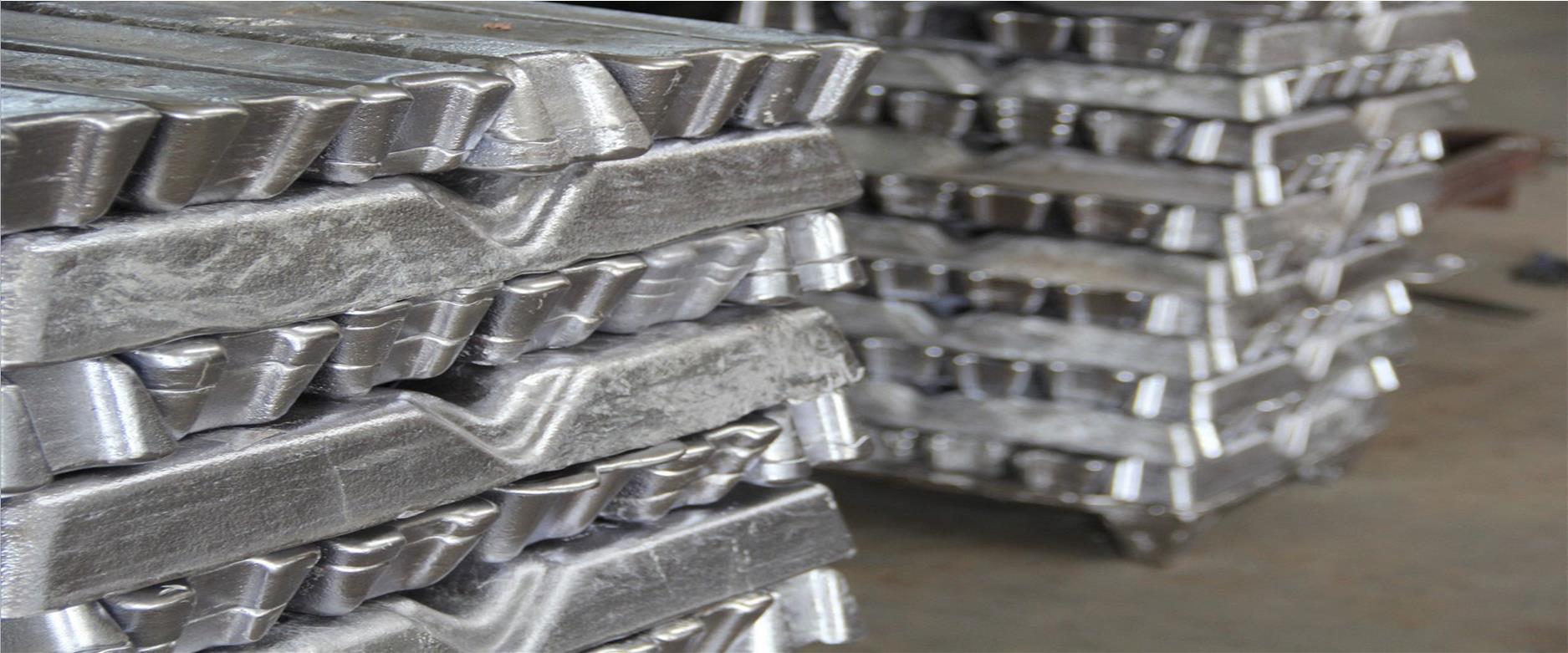
First, we define your target capacity and the alloys you will produce. Then we specify the melting furnaces, the casting line and the auxiliary equipment accordingly. In addition, we prepare the layout plan to match the material flow. As a result, you can base your investment decisions on numbers.
Casting house productivity and raw material cost
In existing plants, we first measure energy consumption and melt loss. After all, you cannot improve a process that you do not measure. In particular, the amount of scrap you use affects both cost and product quality directly. For this reason, we also examine the charge recipes and the quality control steps. Finally, we report the improvement with measurable values.
Do you have questions?
List of frequently asked questions to help you understand how aluminum casting house plants work.
How many stages is heat treatment hardening performed in aluminum alloys?
The hardening of the aluminum alloy by heat treatment occurs in 4 stages.
- The process of heating up to a predetermined temperature.
- Solution taking process.
- The process of quenching quickly to a low temperature.
- Aging or precipitation hardening.
What is aluminum permanent mold casting?
- Aluminum permanent mold casting; It is an aluminum casting method that is cast into iron or steel alloy molds.
- The mold consists of two parts, a minimum lower and upper mold.
- Iron and steel alloy materials are not cast in permanent mold casting.
- Aluminum material, on the other hand, does not interact with the mold as it melts at 660°C. This makes aluminum metal the most commonly cast material in permanent die casting molds.
- The rapid freezing of the material in the aluminum permanent mold casting mold allows us to produce a lot in a short time.
- In the aluminum permanent mold casting method, before casting, the mold is heated to a certain temperature, paint is poured into the mold and the mold becomes ready for casting.
Why are aluminum alloys preferred in casting?
- Aluminum with a specific gravity of 2.7 g/cm3; It is one third as heavy as iron (7.9 gr/cm3) and copper (8.9 gr/cm3).
- When aluminum comes into contact with air, a thin oxide film forms on its surface and in this way the metal is protected from corrosion. In addition, with the help of anodization (anodization), corrosion resistance can be made much more effective.
- Easy shaping of aluminum makes the material suitable for production for various forms such as foil, rod, pipe and cable.
- Aluminum is non-toxic and odorless. Its surface is smooth, easily washable and hygienic as it does not contain germs.
- While materials such as steel are brittle at low temperatures, aluminum maintains its strong structure.
- Aluminum can be easily surface treated or painted chemically or electrochemically.
- The electrical conductivity of aluminum is 60% of that of copper.
- The thermal conductivity of aluminum is three times the thermal conductivity of steel.
- Aluminum can be easily recycled. Also low melting
Due to the temperature of the process, the process takes place economically. - Aluminum is not magnetic.
How does Fe in aluminum casting alloys affect surface brightness?
In 6XXX series alloys with an iron (Fe) content of 0.20% or less, a glossy surface is obtained when the profile is polished. If the amount of Fe is higher than this value, the color of the profile starts to turn gray and the gloss becomes dull. Fe content should be at least 0.18% to obtain a matt surface. The higher the amount of Fe, the more comfortable and attractive matte surface is obtained. If the amount of Fe is more than 0.30%, it will cause a dull appearance after anodizing, and it also makes the extrusion process difficult. Therefore, the casting house must control the Fe ratio carefully.
How does the casting house classify aluminum alloys by chemical structure?
Various metals are mixed to give aluminum different properties. Classification is made according to the added metals. An alloy is identified by a 4-digit code. The first digit indicates the base metal to which aluminum has been added.
1XXX : Unalloyed aluminum,
2XXX : Aluminum alloy with copper,
3XXX : Manganese aluminum alloy,
4XXX : Aluminium alloy with silicon,
5XXX : Aluminum alloy with magnesium,
6XXX : Aluminium alloy with silicon and magnesium,
7XXX : Aluminum alloy with zinc,
8XXX : Aluminum alloy with Iron and Silicon,
9XXX : Newly found alloys.
What is aluminum billet technology? In which areas is it mainly used?
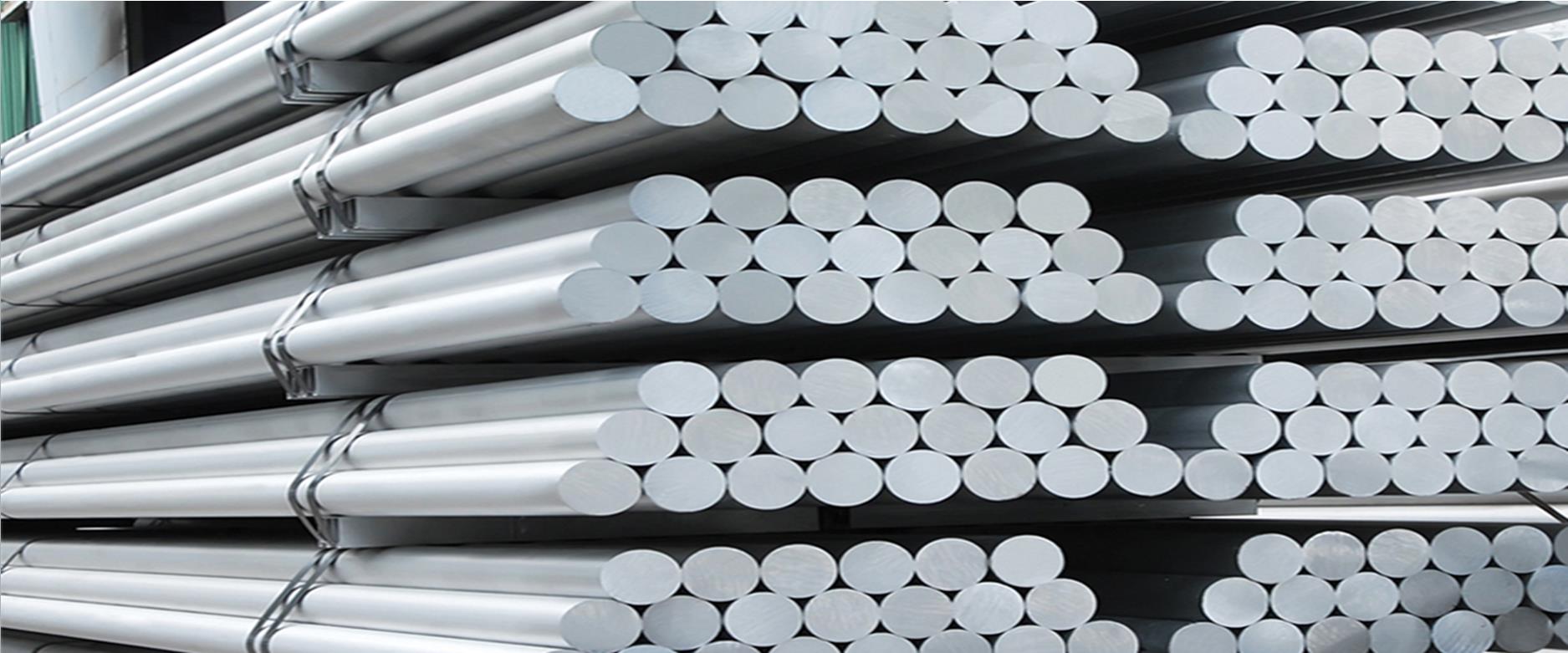
Aluminum billet technology is a kind of aluminum bar produced by the hot forging process of aluminum alloys. This technology is used in the manufacture of aluminum parts and is commonly used in the automotive, aerospace, defense and electronics industries.
Aluminum billet production is carried out by hot forging process. In this process, an aluminum block or bar is placed in a preheated mold and pressure is applied at high temperatures. The application of pressure allows the aluminum to take shape and have the desired dimensions and shapes. Aluminum billets are then processed on CNC benches and used in the production of special parts.
Aluminum billet technologies can be applied in different ways with the use of various alloys. For example, more durable aluminum alloys can be used for parts requiring higher strength. Also, a variety of surface treatment techniques can be used, for example techniques such as anodizing and painting can help improve the aesthetic appearance of aluminum parts.
Aluminum billet technologies have shown great improvement in the industry in recent years and production technologies are constantly being developed. Therefore, the use and application areas of these technologies will expand in the future.
Aluminum Doctor has the knowledge and experience to meet your needs about foundry.
Understanding your needs and goals is important to us. We listen to you to achieve your goals and work together to create different experiences.
You can write to us about your casting house related problems.
Other Services
Would you like to see our other activities that will highlight your business?
Access our current shares
Stay up to date by reading articles written by our industry experts on extrusion.