Anodizing Plant Consultancy
Technical consultancy for anodizing line set-up, racking capacity and surface quality.
What do we do in anodizing consultancy?
First of all, surface treatment defines the look and durability of a profile. However, a good coating does not depend on bath chemistry alone. For example, racking, current density and rinsing steps also affect the result. Therefore, Aluminum Doctor supports you through the whole process, from plant set-up to solving technical problems.
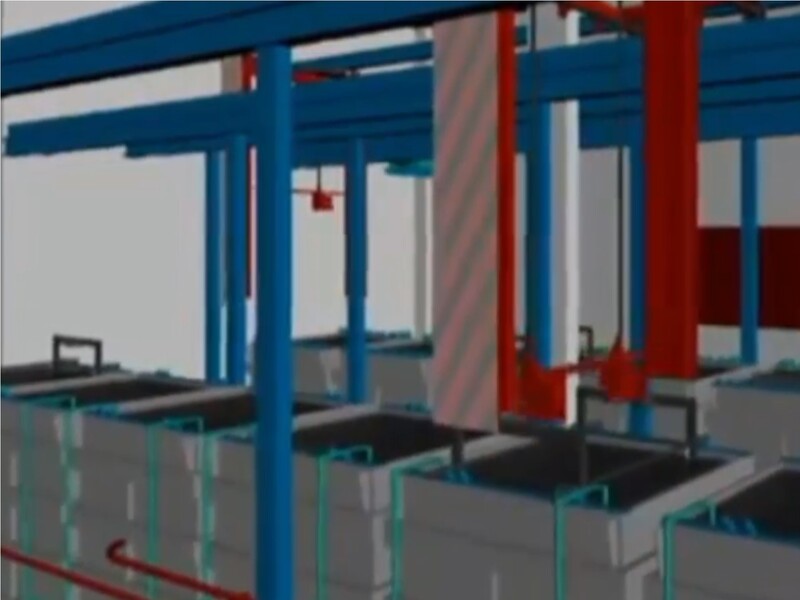
Anodizing plant set-up and capacity planning
First, we define your target capacity and product lengths. Then we specify the tank sizes, the rectifiers and the auxiliary equipment accordingly. In addition, we prepare the layout plan to match the material flow. As a result, you can base your investment decisions on numbers.
Anodizing line productivity and surface quality
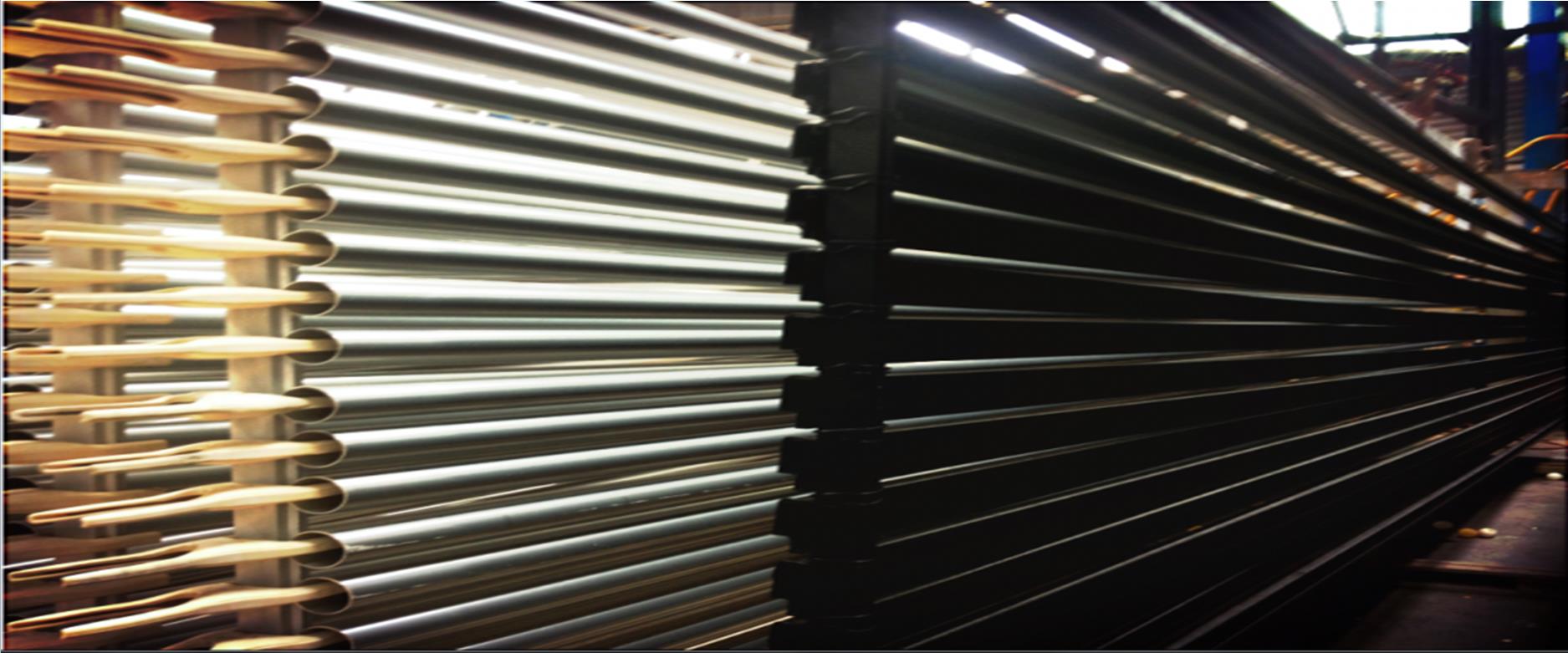
In existing plants, we first measure cycle times and chemical consumption. After all, you cannot improve a process that you do not measure. In particular, racking time is the most common bottleneck in capacity problems. For this reason, we also examine the rack design and the workflow. Finally, we report the improvement with measurable values.
Do you have questions?
List of frequently asked questions to help you understand how the anodizing plant works.
What is anodizing?
What are the reasons for the freckling (scaling) problem that occurs after the anodizing process?
- Extrusion die design.
- Extrusion speed and cooling differences.
- Changes in heat treatment conditions (time, temperature, cooling, etc.).
- Aluminum raw material alloy value differences.
- Matting time differences.
What are anodized detection errors and solutions? How is it measured?
Detection quality is measured by paint stain test, conductivity device (anotest), weight loss test. Error types and solutions are mainly as follows;
- Remaining dust on the material surface;
- The pH of the bath should be adjusted.
- White powder that comes out as it is wiped on the surface of the material;
- Improper anodizing temperature.
- Improper detection temperature;
- Putting the lowest and highest temperature alarm value on the poolside or automation system.
- Inappropriate pH amount;
- According to the ideal range of auxiliary chemical working, ammonia diluted at low pH level and diluted acetic acid at high pH level should be added.
- Insufficient addition of auxiliary chemicals;
- Automatic dosing can be done according to production m2.
- The bath should be filtered against the particles that may form. Equal distribution of temperature is ensured by recirculation.
How to reprocess anodizing?
- Anodized profiles with micron or surface defects are processed in the dismantling caustic bath.
- The profiles whose surface coating is removed are rinsed.
The surfaces are cleaned and rinsed in the neutralization bath. - Suspension attachment points are changed without waiting for hangers.
- If needed, profiles are satinated.
- It is taken to chemical pool processes again.
- The caustic etching times of the profiles that are processed for the second time should be reduced by half.
- Special stripping baths are used for coatings such as cold fixation etc.
- If the chemical process of the profiles to be processed for the second time is prolonged, the products will be corroded and discarded.
What is anodizing neutralization bath?
- It is a bath used to clean the stains remaining on the surface after basic abrasion.
- It is recommended to use the bath, which is established with an average of 180-200 grams/liter sulfuric acid before anodizing, to extend the life of the anodizing pool.
- There are dissolved aluminum and auxiliary chemicals in the bath. The purpose of the auxiliary chemical is to reduce the corrosive effect of sulfuric acid.
- Important parameters;
- Sulfuric acid concentration
- Dissolved aluminum and alloy concentration
- Auxiliary chemical concentration
- Processing time
- The hanger is the draining time.
How is the chemical cost calculated in the anodizing process?
One of the aluminum surface treatment costs is its chemical costs. When calculating the amount of chemicals used during the month, the formula beginning period + amount taken during the period-end of the period is used. Afterwards, the g / m2 calculation is made by subtracting the m2 of the material treated with that chemical.
Keeping track of your own consumption according to the industry average allows you to manage your chemical costs. Approximately 70% of anodizing chemical costs are caustic, sulfuric acid and tin sulphate.
What are the possible reasons for low anodizing coating thickness (micron)?
- The suspension ports are not cleaned well.
- Aluminum suspension rods are not tightened well to the busbar profile.
- No electric current flows due to the dirtyness of the busbar profiles.
- Bar pool contact point (copper surface) impurities.
- Low anodizing pool concentration.
- Wrong m2 calculation.
How to work with caustic (NaOH) in anodizing plants?
Caustic (NaOH) generally has two forms: liquid and solid. It is recommended to use in anodizing plants according to the following items.
- Liquid caustic is generally used because of the ease of dissolution in the anodizing bath.
- Liquid caustic is a chemical that can crystallize below 15 °C. During the winter months, caustic freezing problems are encountered in the enterprises. The caustic storage tank can be isolated and heated to 20-30 °C in electric heaters.
- By isolating the transmission lines of the caustic to the baths and wrapping the heating resistors, the freezing of the caustic in the pipes can be prevented.
- It is recommended that the transmission lines be made of stainless material. Plastic lines will become brittle over time.
- The point of adding caustic to the pool should be below the pool edge, close to the pool working level. (Risk of splashing during addition)
- After the caustic addition process, the lines can be cleaned by blowing air into the line in a closed circuit manner.
- In order to prevent the addition of excess caustic; A timer can be placed on the additional pump. (Pump automatically shuts down after adding pump flow rate and need)
- It should not be forgotten that appropriate protective equipment must be used during work.
What is anodized weight loss test?
It is a test performed according to ISO 3210 to evaluate the quality of anodized coating.
- Area of calculated anodized aluminum part; It is treated with phosphoric acid and chromic acid prepared at a certain concentration.
- At the end of the process, the weight loss per unit area is calculated from the weight loss of the aluminum part.
- The test result should be 30 mg/dm2.
Aluminum Doctor has the knowledge and experience to answer your needs regarding anodizing.
Understanding your needs and goals is important to us. We listen to you to achieve your goals and work together to create different experiences.
You can write to us about your anodizing problems.
Other Services
Would you like to see our other activities that will highlight your business?
Access our current shares
Stay up to date by reading the articles written by our industry experts about anodizing.